- khecotours@gmail.com
- +977 9851121118
Nepal changes dramatically through the year.
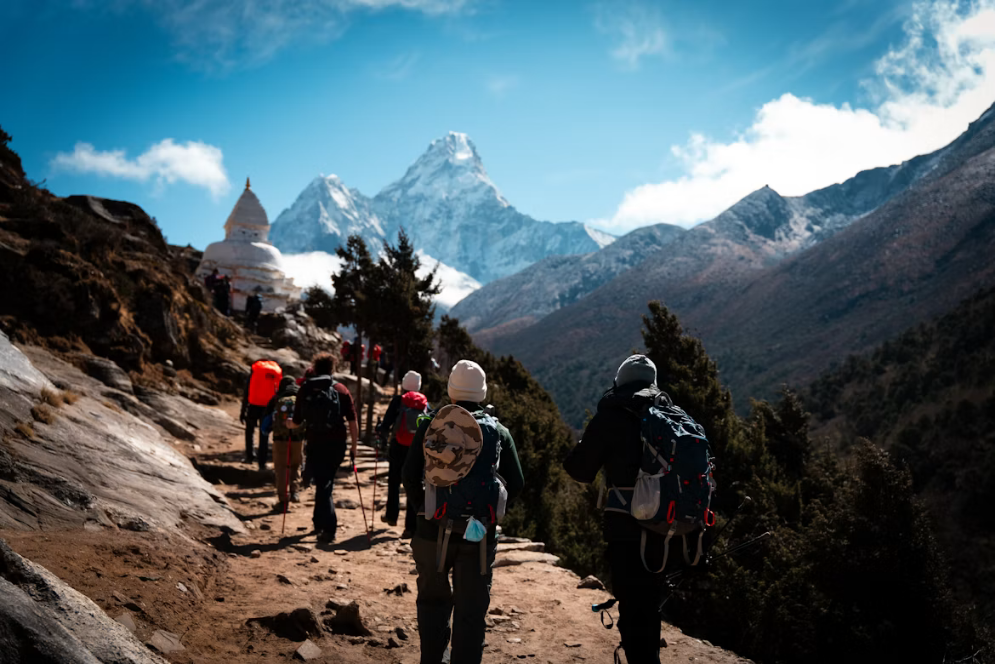
October can bring crisp Himalayan views and busy trekking trails. April can mean warm days, flowering rhododendrons and long hours outside. July turns much of the country intensely green, while January can bring brilliantly clear mornings and cold nights in the mountains.
That is why there is no single “best” month to visit Nepal.
The right time depends on what you want from your trip: trekking in the Himalayas, exploring Kathmandu Valley, seeing wildlife in Chitwan, visiting Pokhara, travelling through Mustang, or simply experiencing Nepal at a quieter pace.
Nepal Tourism Board considers spring and autumn the most popular seasons for trekking, while also noting that Nepal can be visited throughout the year. Around 80 percent of the country’s rainfall falls during the monsoon period, generally from June through September, while areas such as Mustang lie in the Himalayan rain shadow and remain considerably drier.
Here is what travelling in Nepal actually looks like month by month.
January is one of Nepal’s coldest months, particularly at altitude.
Kathmandu, Pokhara and the lower hills are still very much open for travel. Days can be pleasantly sunny, but mornings and evenings are cold. Higher trekking routes may have snow, and high passes can become difficult or inaccessible depending on conditions.
For travellers who do not mind the cold, January has a major advantage: fewer visitors.
The skies can also be remarkably clear after winter weather passes, making this a good month for cultural sightseeing, lower-altitude walking and mountain views.
Good for: Kathmandu Valley, Pokhara, lower-altitude hikes, cultural tours and quieter travel.
Think carefully before choosing it for: high passes and demanding high-altitude treks.
Nepal Tourism Board notes that winter travel remains possible and that December and January can still bring bright sunshine and excellent views.
February sits between deep winter and the beginning of spring.
The first half of the month can still feel distinctly wintry in the mountains, while conditions gradually become milder toward March. Trekking activity begins to increase, particularly on established routes at moderate elevations.
It is also a useful month for combining sightseeing with wildlife experiences in the Terai.
Chitwan National Park identifies February to April as one of the periods with particularly good birdwatching opportunities, when migratory species join resident birds.
Good for: lower and mid-altitude trekking, Chitwan, Kathmandu, Pokhara and travellers who prefer fewer crowds than peak spring.
March is when Nepal’s spring travel season really begins.
Temperatures rise, trekking trails become busier and vegetation starts changing quickly across the hills.
For trekkers, March offers a good balance: it is warmer than winter but generally arrives before the full heat and humidity of late spring.
Rhododendrons also begin flowering across many hill and mountain areas, although flowering time varies considerably with altitude and local weather.
Nepal Tourism Board lists spring among Nepal’s principal trekking seasons.
Good for: Annapurna-region trekking, Kathmandu, Pokhara, hill walks and nature-focused trips.
April is one of Nepal’s classic trekking months.
Days are warmer, much of the countryside is colourful, and the main trekking regions are fully active. It is an especially attractive period if you want a mix of mountain scenery and spring vegetation rather than the drier appearance of late autumn.
The trade-off is popularity. Well-known trekking areas can be busy.
At lower elevations, afternoons can also become quite warm.
Good for: trekking, mountain landscapes, rhododendron forests, Pokhara and outdoor itineraries.
For routes such as Ghorepani-Poon Hill, Mardi Himal and Annapurna Base Camp, this is one of the most practical periods to consider, subject to current trail and weather conditions.
May is still part of Nepal’s spring travel season, but it feels different from March and April.
Temperatures rise considerably at lower elevations. Humidity begins to increase and afternoon cloud or pre-monsoon thunderstorms become more common.
Nepal’s Department of Hydrology and Meteorology classifies March to May as the pre-monsoon season, which is typically associated with hotter weather and thunderstorms.
Trekking is certainly possible, but travellers should not expect every day to deliver completely clear mountain views.
Good for: trekking with flexible expectations, cultural travel and travellers comfortable with warmer conditions.
June marks the transition toward Nepal’s summer monsoon.
The normal monsoon onset date is around 13 June, although the actual arrival varies from year to year.
Rainfall becomes more frequent, humidity rises and clouds can obscure mountain views. Trails in wetter regions may become muddy and slippery, and road travel can be affected by landslides or flooding during periods of heavy rain.
That does not mean the entire country becomes unsuitable for travel.
Mustang, Manang and parts of Dolpa lie in the rain shadow north of the main Himalayan range and receive substantially less monsoon rainfall. Nepal Tourism Board specifically identifies rain-shadow regions as options for monsoon trekking.
Good for: Mustang and other appropriate rain-shadow destinations, cultural travel with flexible schedules, and visitors who do not mind rain.
July is firmly within the monsoon.
This is when Nepal becomes intensely green.
Rice terraces fill with water, hillsides turn lush and waterfalls appear almost everywhere. For photographers and travellers interested in rural landscapes, it can be beautiful.
But July also requires patience.
Heavy rain can disrupt roads and flights, trekking trails can be slippery, leeches are common in some humid hill areas, and landslide risk rises during prolonged rainfall.
Around 80 percent of Nepal’s annual rainfall falls during the June-September monsoon period, although rainfall varies enormously by region. Pokhara, for example, is substantially wetter than rain-shadow Mustang.
Good for: slow travel, greenery, cultural experiences and rain-shadow regions.
Less suitable for: travellers expecting uninterrupted Himalayan views every day.
August remains monsoon season.
The landscape is still exceptionally green, but many of the same practical considerations as July continue: rainfall, road disruption, cloud cover and unstable slopes.
This does not mean travellers should simply avoid Nepal in August. It means itineraries need to be chosen intelligently and conditions checked locally.
Rain-shadow destinations can be particularly valuable at this time.
Good for: Mustang, selected cultural itineraries and flexible travellers.
Important: road and trekking conditions should be checked close to departure rather than assumed from historical averages.
September is a transition month and one of the most interesting periods of the year.
Early September can still feel very much like monsoon. Rain does not suddenly stop because the calendar changes.
As the month progresses, conditions usually begin moving toward autumn, although annual variation can be significant.
Nepal’s normal monsoon withdrawal date is around 2 October, meaning travellers should not automatically treat the whole of September as dry-season travel.
Later September can nevertheless become excellent for trekking as trails begin drying and mountain visibility improves.
Good for: travellers who want to arrive just before the main autumn rush and are comfortable with some weather uncertainty.
For many travellers, October is the month they imagine when they think of trekking in Nepal.
The monsoon has generally withdrawn, humidity falls and visibility often improves dramatically. Mountain views can be exceptional.
Temperatures are also generally comfortable for walking during the day.
The obvious trade-off is that everybody else knows this too.
Popular trekking routes, flights and accommodation can become busy, particularly around the Annapurna and Everest regions.
October and November are identified by Nepal Tourism Board as the period when some of Nepal’s clearest skies occur.
Good for: trekking, photography, sightseeing, Pokhara, Kathmandu and first-time visitors.
Expect: more people on Nepal’s most famous routes.
November continues the excellent autumn conditions.
The air is generally drier, mountain visibility remains strong and temperatures gradually begin dropping.
For trekking, November is often an excellent compromise between October’s peak activity and the colder conditions that arrive later in winter.
Higher elevations, however, can become very cold at night.
Good for: trekking, cultural tours, photography, Kathmandu, Pokhara and mixed itineraries.
Nepal Tourism Board lists autumn among the country’s principal trekking periods.
December marks the beginning of winter.
Visitor numbers start falling and temperatures drop sharply at altitude, but this can still be an excellent month for lower and mid-altitude travel.
Kathmandu and Pokhara remain easy to explore, while shorter hikes around the Kathmandu Valley can be particularly pleasant on clear days.
At high altitude, snow and very low temperatures become more significant considerations. Nepal Tourism Board advises that winter conditions above roughly 4,000 metres can become very cold and that high passes may be affected by snow.
Good for: cultural sightseeing, lower-altitude trekking, clear views and quieter travel.
For most first-time travellers who want to combine trekking with general sightseeing, October-November and March-April are the easiest periods to recommend.
But they are not automatically the best choice for everyone.
Choose October or November if clear mountain views and generally stable trekking conditions are your priority.
Choose March or April if you prefer warmer spring conditions, flowering hillsides and trekking.
Choose December to February if you are mainly interested in cultural travel, lower-altitude hiking and fewer crowds — and you are comfortable with cold mornings and evenings.
Choose the monsoon months from June through September if you understand the weather limitations, want greener landscapes or are travelling to suitable rain-shadow regions such as Mustang.
The most important thing is to match the season to the destination rather than treating Nepal as though the entire country has one climate.
The difference between Chitwan’s lowland plains, Kathmandu’s hills and a Himalayan trekking trail thousands of metres higher can be enormous. Nepal Tourism Board notes that temperature generally falls by roughly 6°C for every 1,000 metres of elevation gained, illustrating just how much conditions can change within a relatively short distance.
March-April: Spring trekking, rhododendrons and outdoor travel.
May: Late-spring travel and warmer conditions.
June-August: Green landscapes, cultural travel and rain-shadow trekking.
September: Transition from monsoon toward autumn.
October-November: Trekking, mountain views and general touring.
December-February: Cultural trips, lower-altitude hikes and quieter travel.
Nepal rewards flexibility.
A forecast can change. A mountain road can require extra time. Clouds can hide a peak one morning and reveal it completely a few hours later.
Instead of searching for one perfect month, start with the experience you want and build your trip around the regions where conditions are most suitable at that time of year.
Whether that means walking through the Annapurna foothills in spring, exploring Kathmandu’s heritage sites during winter or travelling through Mustang while much of Nepal is experiencing the monsoon, there is almost always somewhere worth discovering.
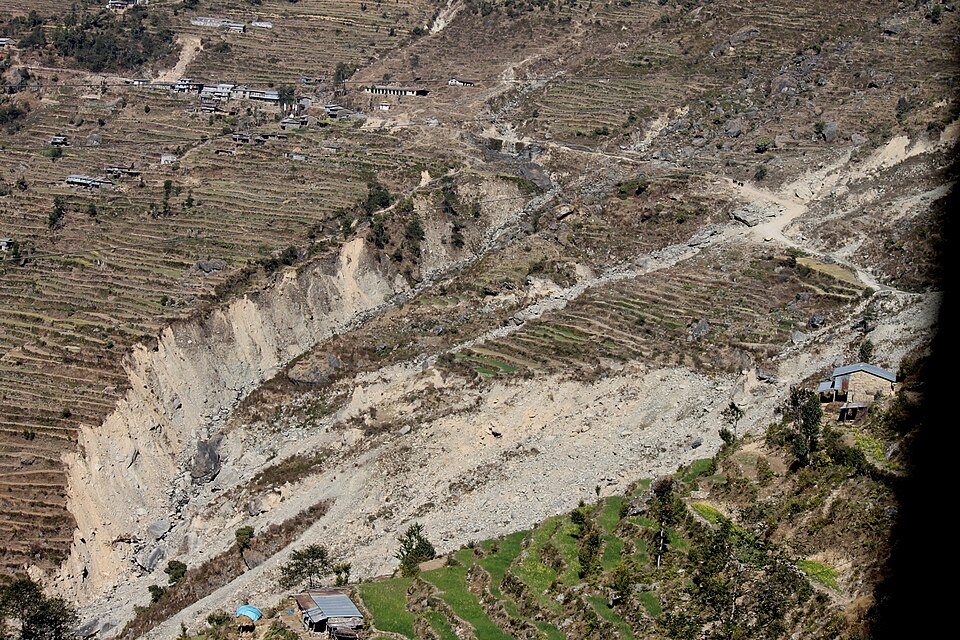
On 26 August 2026, a devastating flood swept through the Bho...
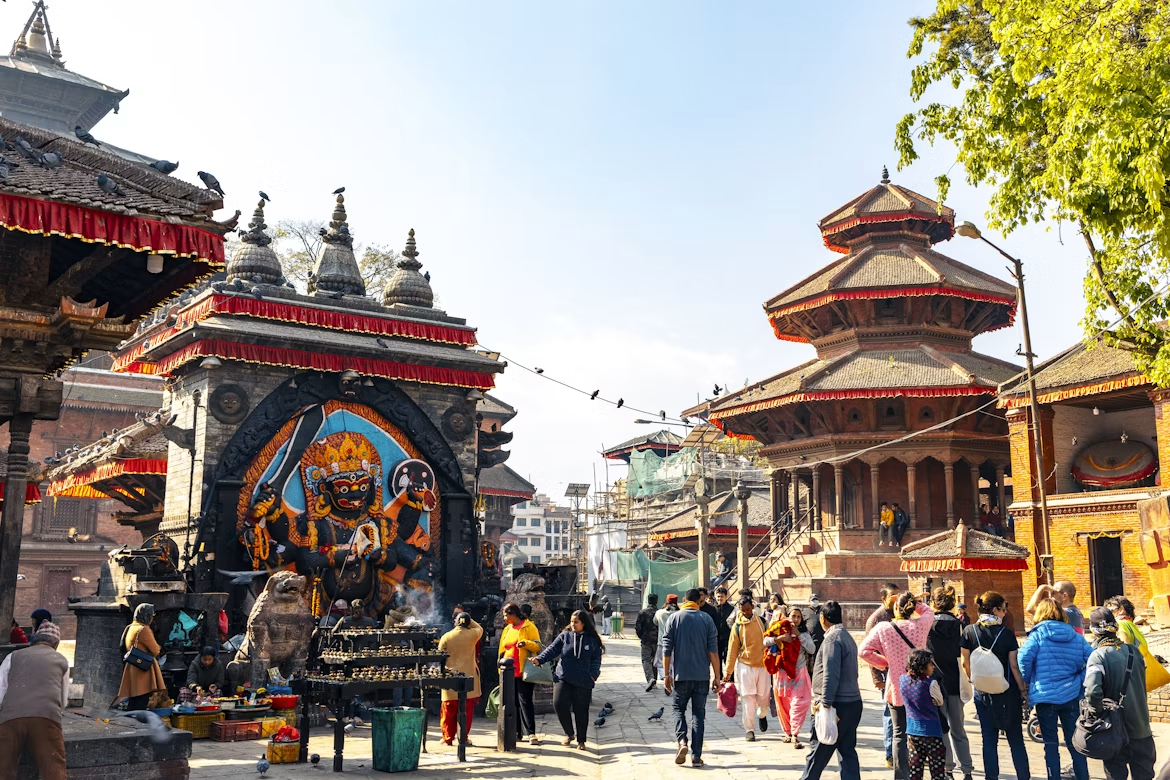
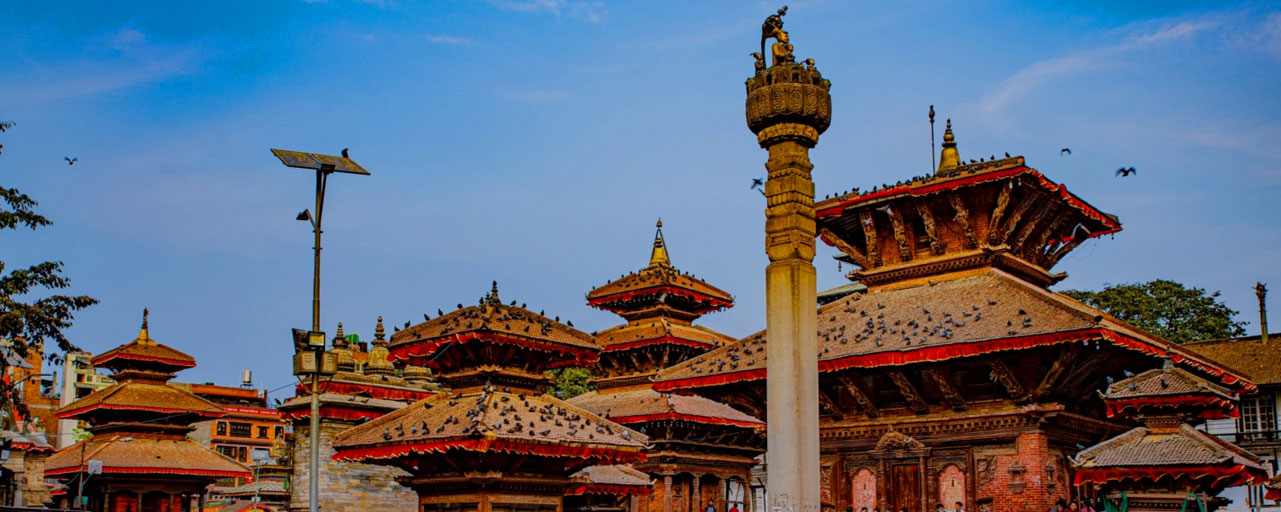
Kathmandu Valley is often the first place travelers experienc...
Nepal can be visited throughout the year, but the best season depends on what you want to experience. Autumn, from September to November, and spring, from roughly February or March to May, are among the most popular periods for trekking, offering generally favourable conditions in many Himalayan regions.
Spring brings warmer temperatures and blooming rhododendrons, while autumn is known for clearer skies and excellent mountain visibility. The monsoon period from June to August brings heavier rainfall to many parts of Nepal, while winter from December to February can be cold at higher elevations but remains suitable for cultural tours and many lower-altitude journeys.
Because Nepal’s climate varies considerably between the Terai plains, Kathmandu Valley, mid-hills and high Himalayas, always check the conditions for your specific destination before travelling.
Nepal changes dramatically through the year. October can bring crisp Himalayan views and busy trekking trails. April can mean warm days, floweri...
On 26 August 2026, a devastating flood swept through the Bho...
Kathmandu Valley is often the first place travelers experienc...