- khecotours@gmail.com
- +977 9851121118
On 26 August 2026, a devastating flood swept through the Bhotekoshi river system in northern Nepal, causing severe destruction across parts of Rasuwa and neighboring areas close to the Nepal–China border. Settlements including Timure and Syafrubesi were badly affected, while roads, bridges, homes and other infrastructure along the Rasuwagadhi corridor suffered extensive damage.
The scale of the disaster has understandably raised questions among travelers planning a visit to Nepal. Some international visitors may see images of damaged roads and communities and wonder whether travel across the country has stopped.
The important thing to understand is that the flooding did not affect Nepal equally.
The greatest damage occurred along the northern Rasuwa corridor, particularly around the Bhotekoshi and Trishuli river systems and the road toward the Rasuwagadhi border with Tibet.
The flood washed away large sections of the road between Betrawati and Rasuwagadhi, damaged bridges and severely disrupted access to communities in Rasuwa. Langtang was also cut off by road after bridges, roads and trails were damaged.
Repair and temporary road-opening work has continued through September, but travelers planning journeys toward Rasuwa, Syafrubesi, Langtang or the Nepal–China border corridor should check the latest local conditions before departure. As of 19 September, important sections between Rasuwa and Nuwakot were still affected and repair work remained difficult because of unstable ground and damaged roads.
Yes.
Nepal Tourism Board issued an official update after the disaster stating clearly that Nepal is not closed. While some areas have been severely affected, much of the country continues to operate normally and welcome visitors.
That distinction is important.
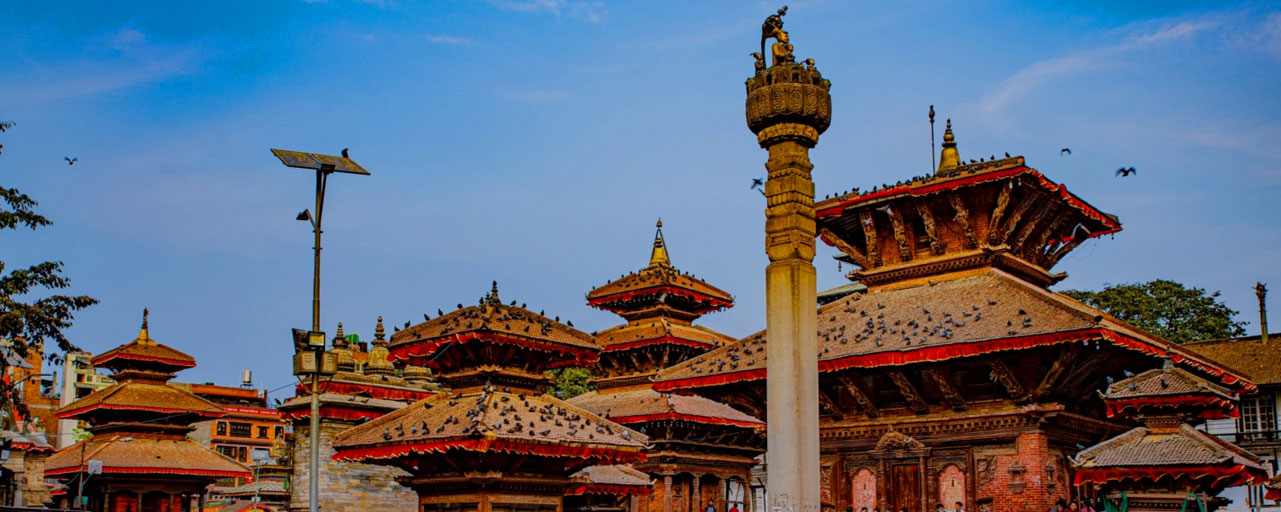
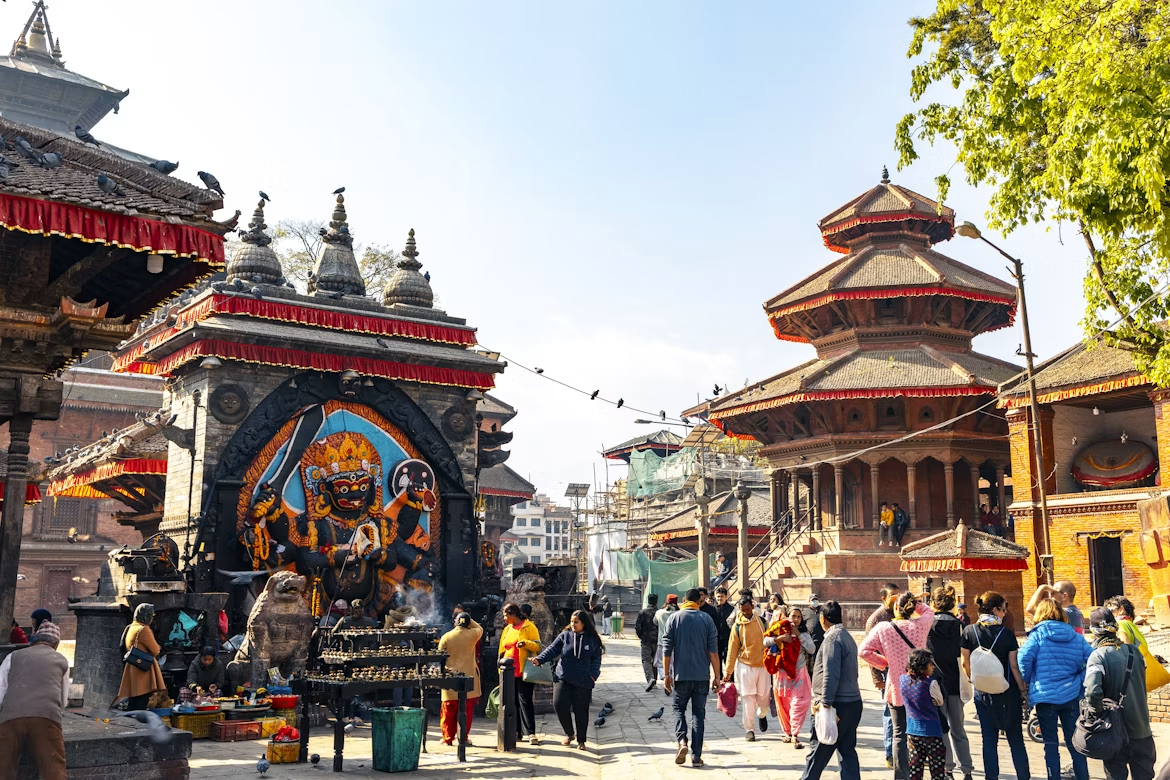
A traveler visiting Nepal may still be able to experience destinations such as Kathmandu Valley, Pokhara, Chitwan, Lumbini and many other parts of the country, while avoiding routes that are currently affected by the disaster.
Nepal is geographically diverse, and conditions in one northern river corridor do not automatically reflect conditions across the entire country.
Travel plans should remain flexible, especially during the monsoon period and when traveling into mountain regions.
Before setting out, travelers should:
For journeys into remote or mountainous areas, local information can be especially valuable because road and trail conditions can change more quickly than information shown on international travel websites.
The communities affected by the floods have experienced enormous loss. For that reason, tourism should not treat the disaster as simply another travel inconvenience.
Visitors should respect restricted areas, rescue and reconstruction work, and the privacy of affected communities.
At the same time, tourism remains an important source of income for thousands of people across Nepal. Hotels, restaurants, drivers, guides, small businesses and local communities all depend on visitors.
Traveling to areas that remain open, using local services and making informed decisions can help support livelihoods without interfering with recovery efforts in badly affected regions.
Khahare Eco Tours & Treks continues to operate and assist travelers planning journeys in Nepal.
If an itinerary involves an area affected by weather, road closures or other disruptions, we recommend checking the latest conditions before traveling and adjusting the route when necessary.
Nepal continues to offer its extraordinary mix of Himalayan landscapes, historic cities, wildlife, culture and local experiences. The events in Rasuwa are deeply serious, but they should not be understood as the closure of the entire country.
For anyone planning a trip, the best approach is simple: stay informed, travel responsibly and plan according to current local conditions.
Nepal changes dramatically through the year. October can bring crisp Himalayan views and busy trekking trails. April can mean warm days, floweri...
Kathmandu Valley is often the first place travelers experienc...