- khecotours@gmail.com
- +977 9851121118

Nepal offers Visa on Arrival to most international visitors at Tribhuvan International Airport and designated land entry points. Tourist visas are available as multiple-entry visas for 15 days at USD 30, 30 days at USD 50, and 90 days at USD 125. Travelers can complete the online tourist visa form before arrival or use the kiosk facilities at the airport. Gratis visas are available for eligible travelers, including SAARC citizens for up to 30 days on their first visit of the visa year, with specific conditions applying to some nationaliti...
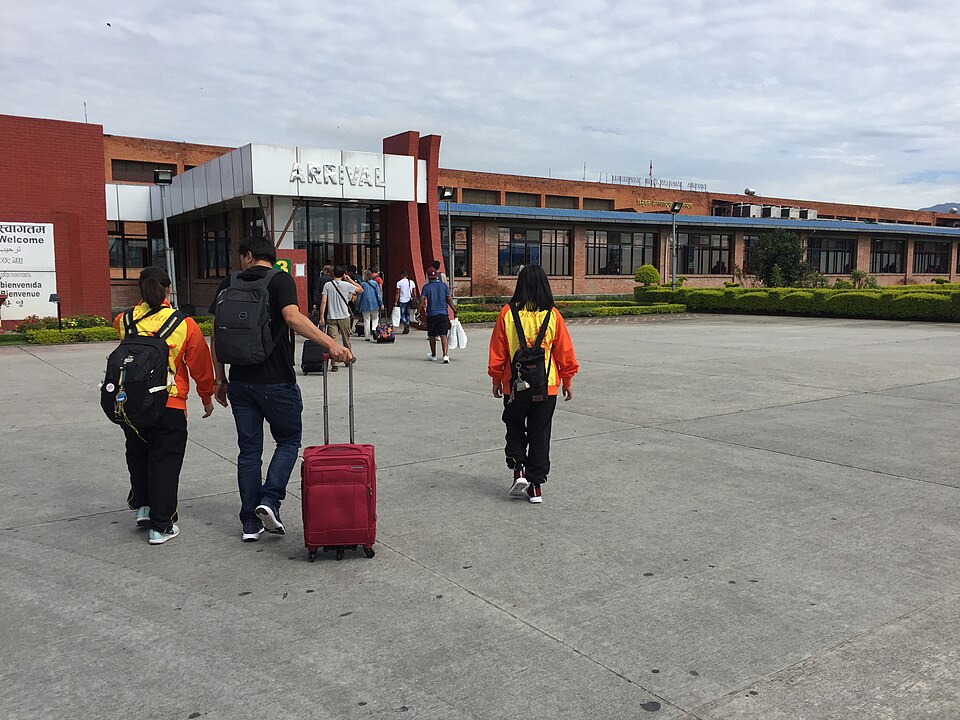
Nepal offers an extraordinary mix of Himalayan landscapes, historic cities, wildlife, spiritual traditions and local culture. A little preparation before travelling can make the experience much smoother, whether you are visiting Kathmandu, exploring Chitwan and Lumbini, trekking in the mountains or travelling between different regions of the country.
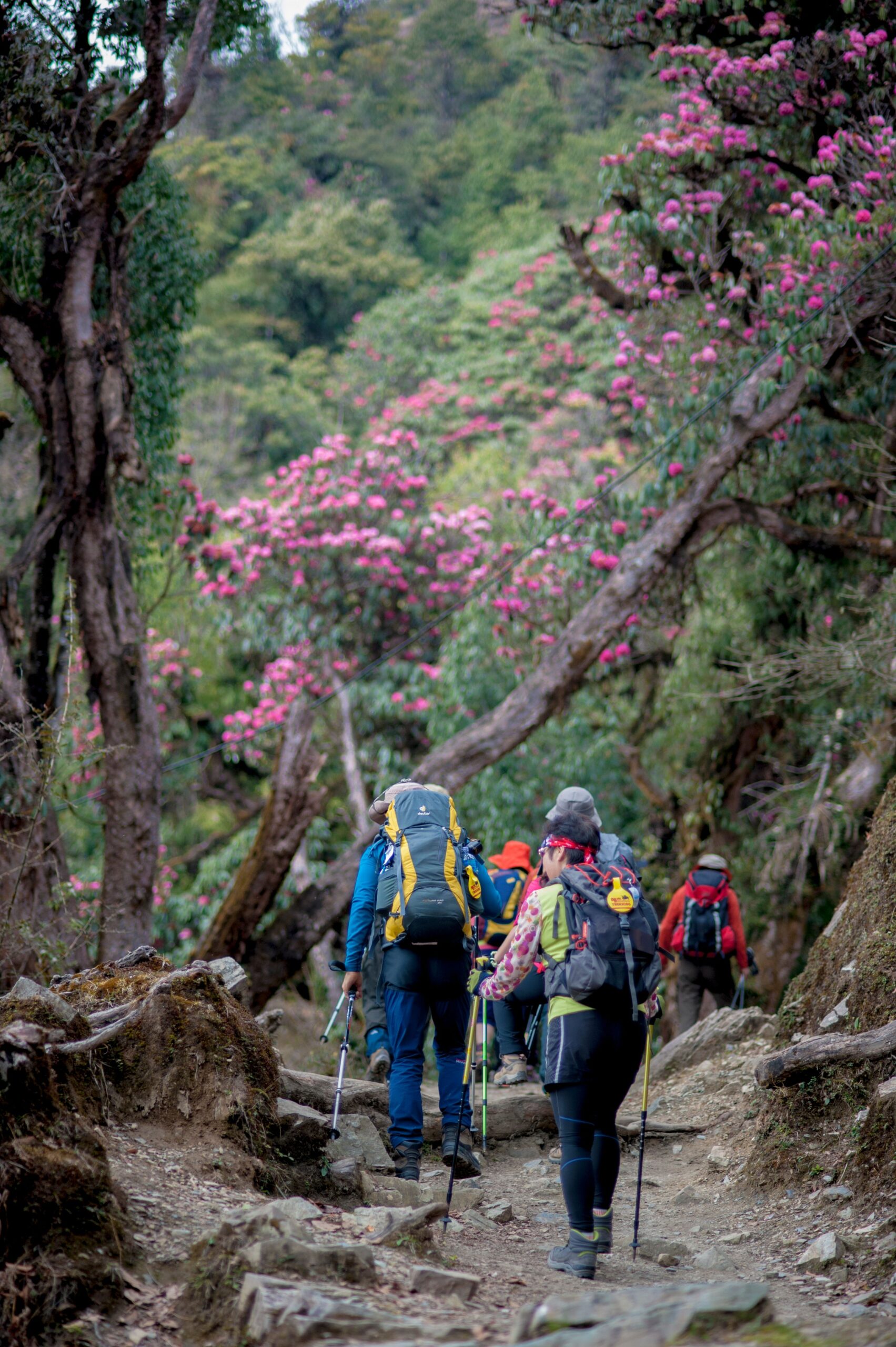
Nepal can be visited throughout the year, but the best season depends on what you want to experience. Autumn, from September to November, and spring, from roughly February or March to May, are among the most popular periods for trekking, offering generally favourable conditions in many Himalayan regions. Spring brings warmer temperatures and blooming rhododendrons, while autumn is known for clearer skies and excellent mountain visibility. The monsoon period from June to August brings heavier rainfall ...
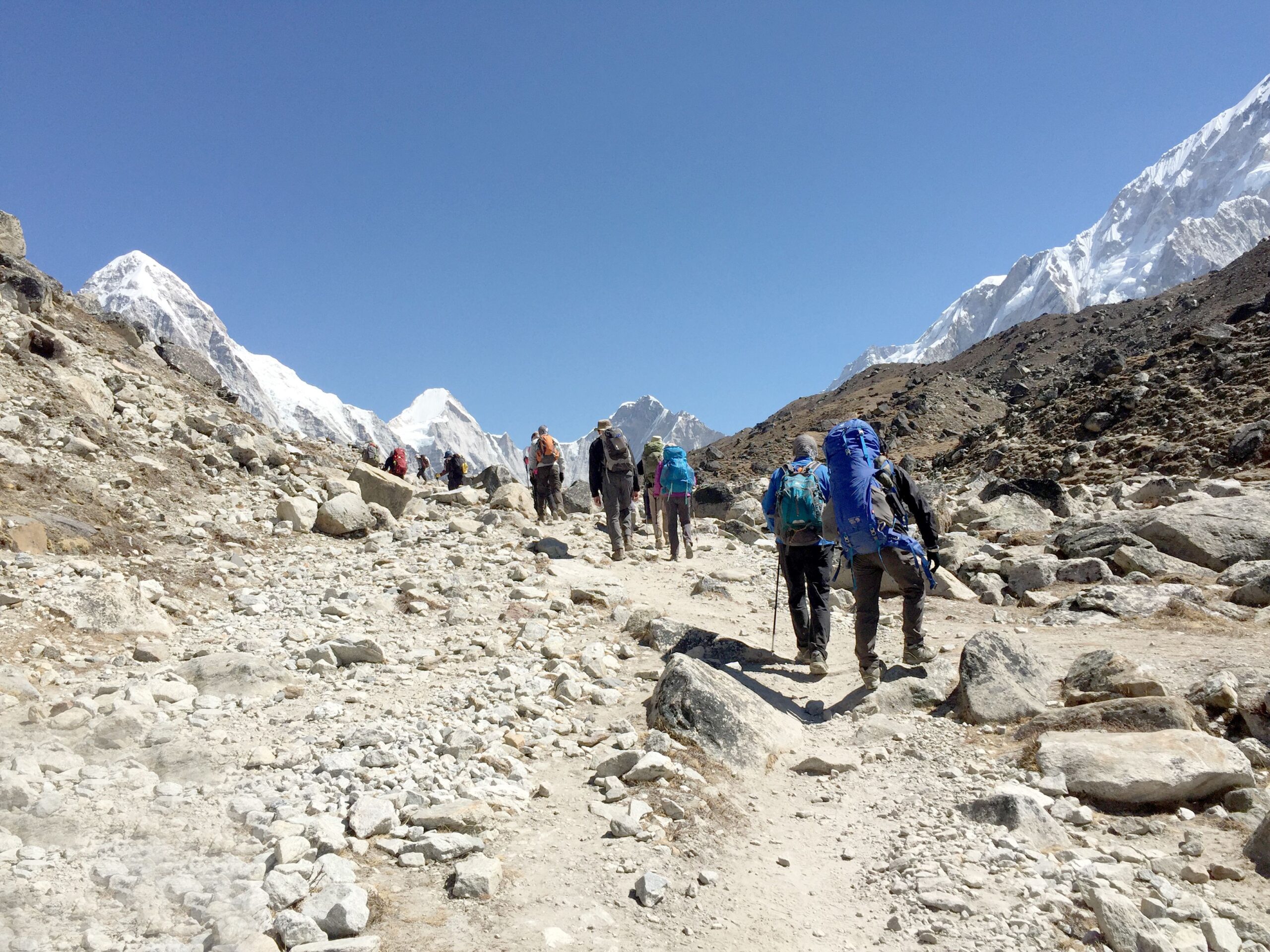
Many trekking routes in Nepal require trekkers to carry the appropriate permits before beginning their journey. Under the current TIMS system, trekkers on specified routes must travel with a licensed trekking guide and a TIMS card issued through a registered trekking agency. The rule covers many popular routes in the Everest, Langtang, Annapurna, Manaslu, Mustang and other trekking regions. Current TIMS charges listed by Nepal Tourism Board are NPR 1,000 for SAARC nationals and NPR 2,000 for o...
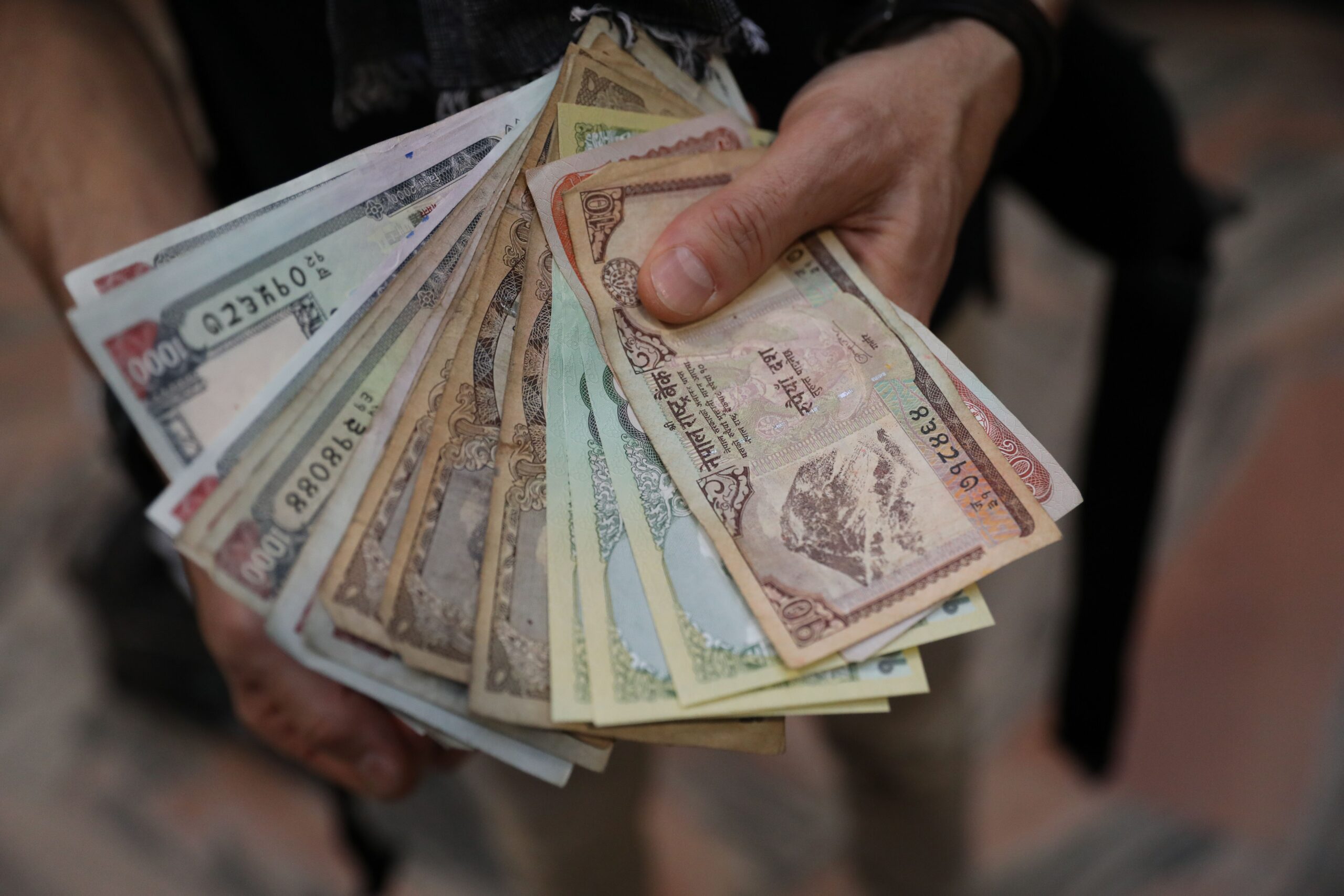
The official currency of Nepal is the Nepalese Rupee (NPR). Cash remains useful throughout the country, particularly in smaller towns, rural areas and trekking regions, while cards and digital payments are more widely available in Kathmandu, Pokhara and other major tourist centres. ATMs are common in larger cities, but travelers heading into remote areas should carry enough cash for their journey. Currency exchange services are available at banks and licensed exchange counters. Exchange rates chang...
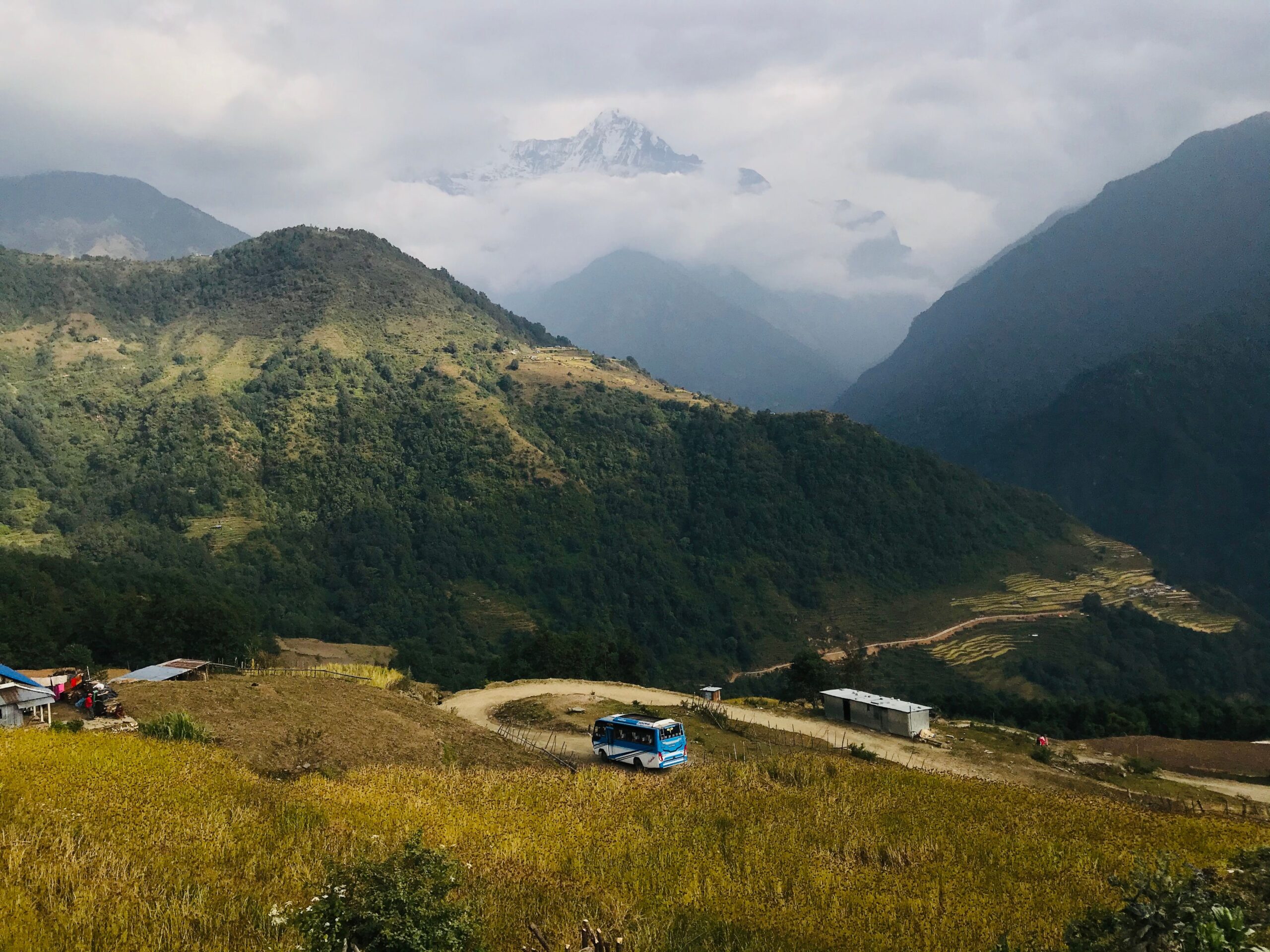
Nepal offers several ways to travel between its major cities and tourist destinations. Domestic flights connect Kathmandu with places such as Pokhara, Bharatpur, Bhairahawa and mountain gateways, while tourist buses, private vehicles, jeeps and vans are widely used for overland travel. Road travel is an important part of exploring Nepal, but travel times can vary because of mountain terrain, weather, road construction and traffic. Private vehicles can be particularly convenient for families and groups who want greater flexibility. For ...
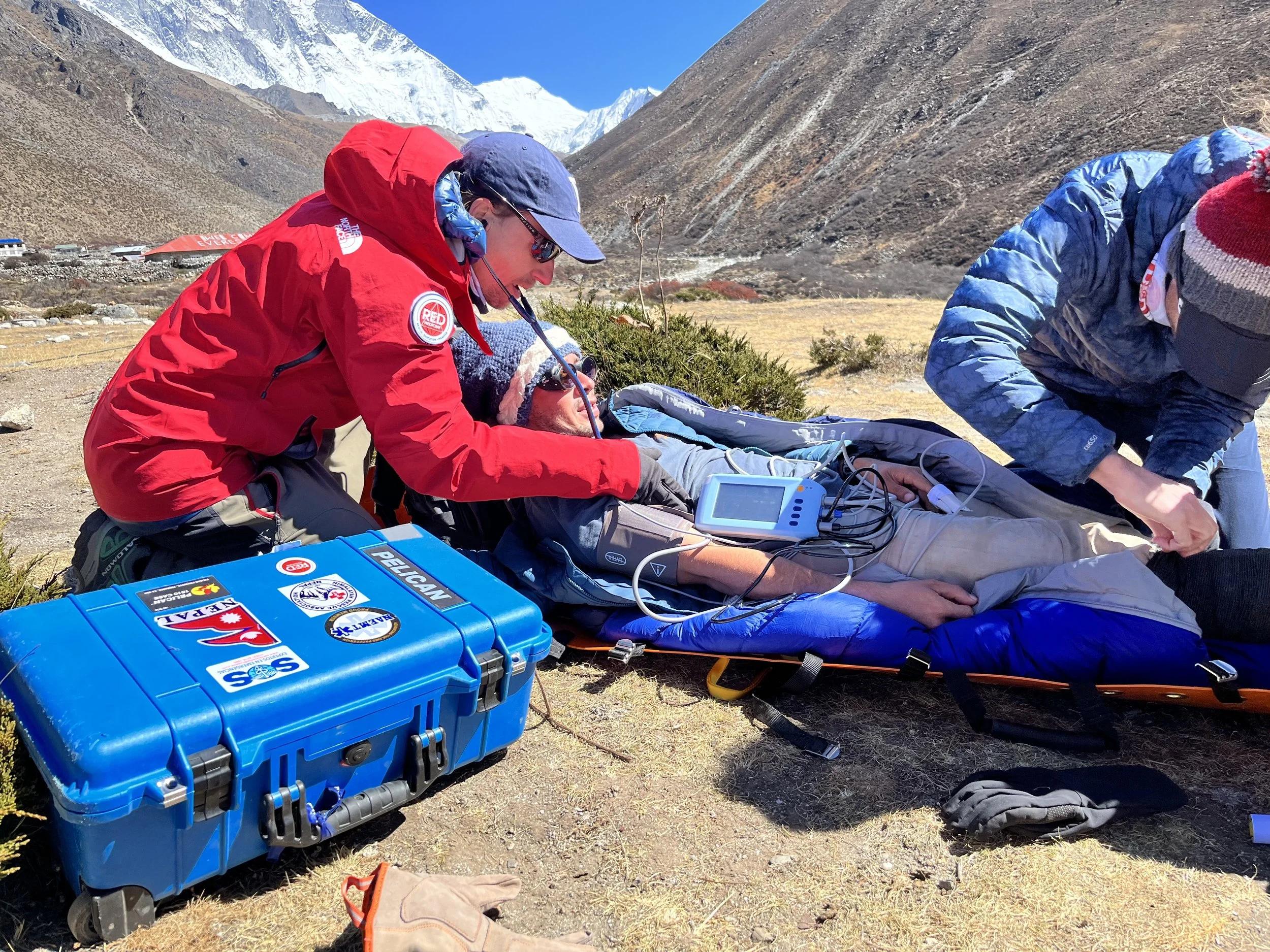
Nepal is generally a welcoming destination, but travelers should prepare carefully when visiting remote or high-altitude areas. Travel insurance that includes trekking, emergency treatment and evacuation is strongly recommended for adventure travelers. Altitude sickness can affect anyone travelling to high elevations, regardless of fitness level. Trekkers should ascend gradually, allow time to acclimatize, stay hydrated and take symptoms seriously. Medication for altitude-related illness should only be taken following appropriate medical ...
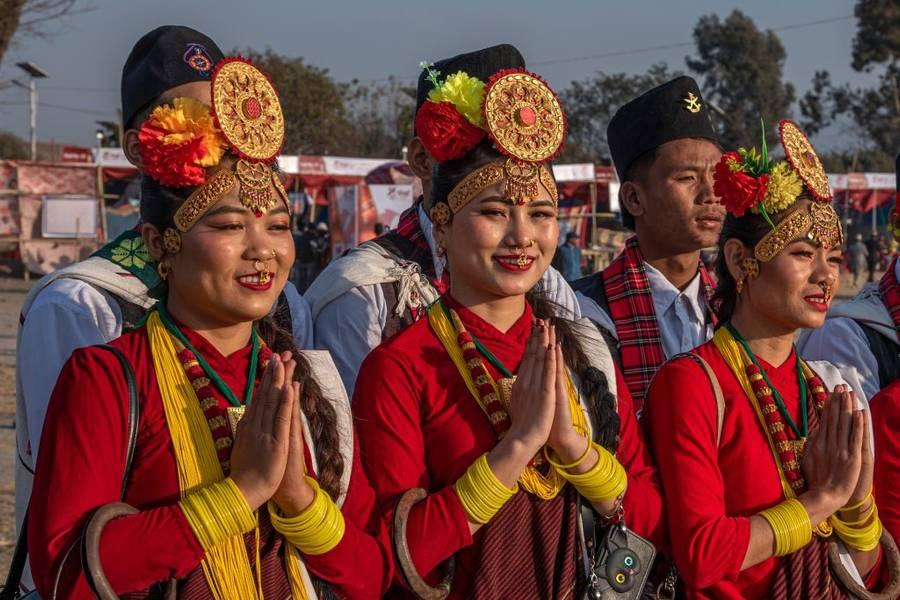
Nepal is home to many ethnic groups, languages, religions and traditions, and respectful behaviour is an important part of travelling through the country. The traditional greeting “Namaste” is widely used and is often accompanied by placing the palms together. When visiting temples, monasteries and religious sites, dress respectfully and follow local instructions regarding photography, shoes and restricted areas. Public behaviour in Nepal is generally more conservative than in many Western countrie...
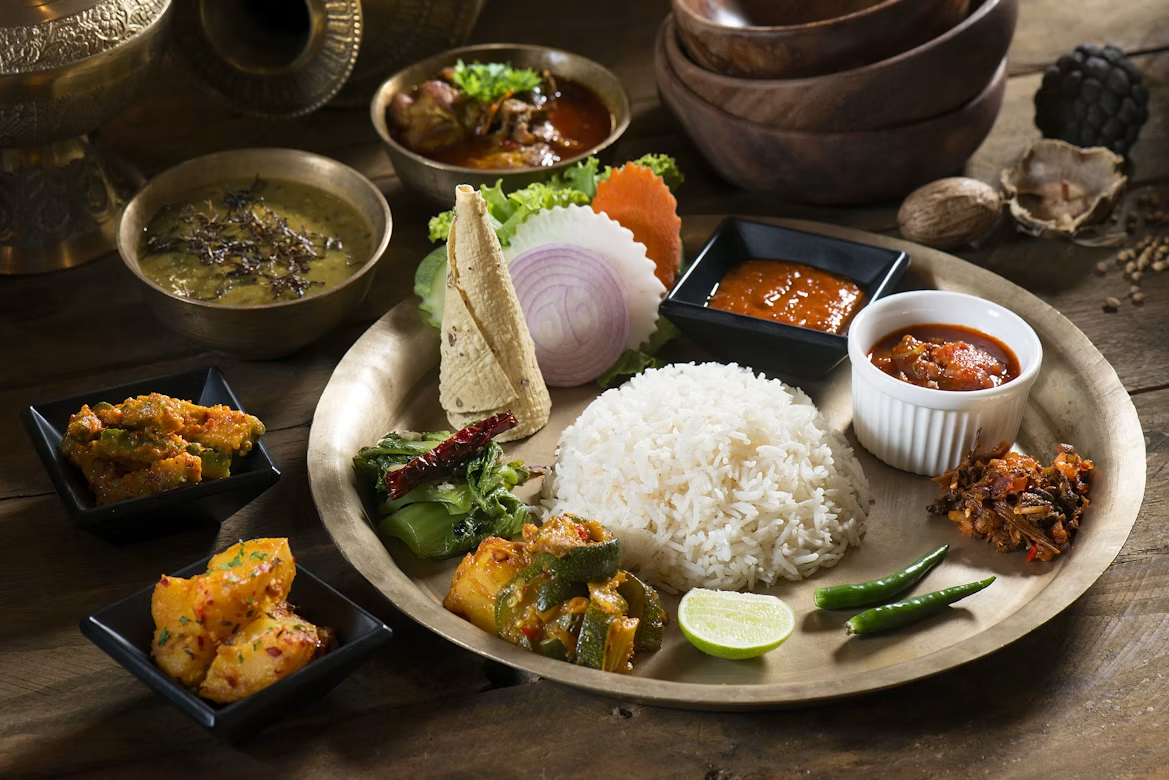
Nepali cuisine reflects the country’s geography and cultural diversity. Popular dishes include dal bhat, a traditional meal of rice, lentils and accompanying vegetables; momo, Nepal’s much-loved dumplings; and dishes such as thukpa, curries, breads and regional specialties. Restaurants and cafés are widely available in Kathmandu, Pokhara and other major destinations, while trekking routes usually provide meals through local lodges and teahouses. Visitors should drink treated, filte...
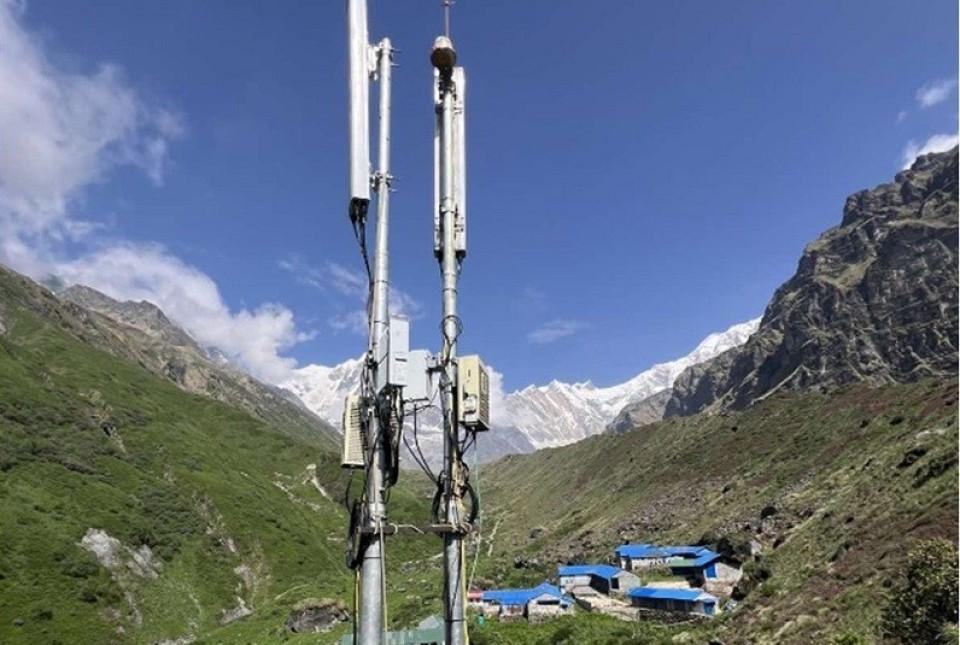
Mobile data and internet access are widely available in Nepal’s cities and many popular tourism areas. Local SIM cards can be useful for maps, communication and arranging transportation during your stay, although coverage may become weaker in remote mountain regions. Wi-Fi is commonly available in hotels, restaurants and cafes in Kathmandu and Pokhara, and is increasingly available along popular trekking routes, though speeds and reliability can vary. Nepal uses approximately 230V electricity at 50Hz