- khecotours@gmail.com
- +977 9851121118
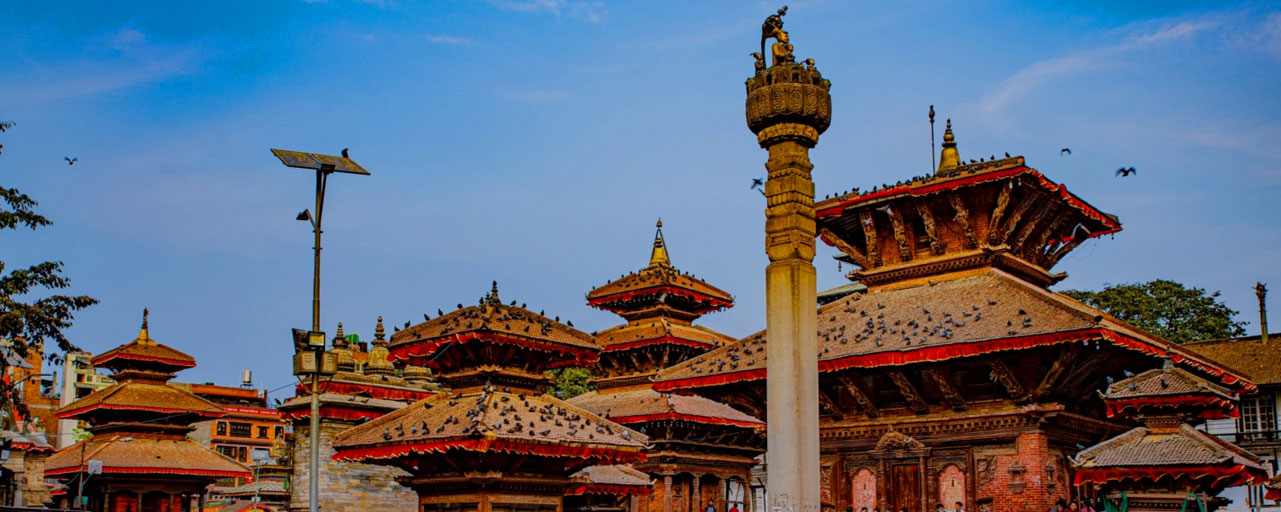
Kathmandu Valley is often the first place travelers experience in Nepal, but it deserves more than a quick stop before heading to the mountains. Across Kathmandu, Patan and Bhaktapur, centuries of history, living religious traditions, local markets and everyday city life all sit side by side.
The valley is home to seven UNESCO World Heritage monument zones, including Kathmandu Durbar Square, Patan Durbar Square, Bhaktapur Durbar Square, Swayambhunath, Pashupatinath, Boudhanath and Changu Narayan. Together, they offer one of the best introductions to Nepal’s architecture, religion and cultural history.
Begin around Kathmandu Durbar Square, where old palace courtyards, temples and traditional Newar architecture give a strong sense of the city’s past. From here, the surrounding streets are just as interesting as the monuments themselves, with small shrines, shops, food stalls and busy local neighbourhoods creating a very different atmosphere from the more modern parts of the city.
A heritage walk through central Kathmandu is a good way to experience both the famous landmarks and the smaller courtyards, alleys and markets that many visitors would otherwise miss.
Kathmandu’s religious sites show how closely Hindu and Buddhist traditions exist alongside one another in Nepal.
Swayambhunath offers wide views over the valley, while Pashupatinath is one of Nepal’s most important Hindu temple complexes. Boudhanath, one of the valley’s best-known Buddhist landmarks, has a completely different atmosphere, particularly when pilgrims circle the stupa and the surrounding monasteries become active in the morning and evening.
Patan is known for its artistic heritage and traditional metal, wood and stone craftsmanship. Patan Durbar Square and the surrounding old city make it easy to spend several hours exploring temples, courtyards and narrow streets without feeling rushed.
The area is especially interesting for travelers who want to understand the artistic traditions behind the architecture they see throughout the valley, rather than simply moving from monument to monument.
Bhaktapur feels noticeably different from central Kathmandu. Its brick streets, courtyards, temples, pottery traditions and older neighbourhoods give the city a more compact and historic character.
Bhaktapur Durbar Square, the 55-Window Palace, Golden Gate and Nyatapola Temple are among the main landmarks, but much of the charm comes from simply walking through the surrounding streets and observing daily life.
What makes the Kathmandu Valley special is not just the number of historic sites. It is the way religion, architecture, food, local neighbourhoods and daily life remain connected.
A four-day visit gives enough time to see the major highlights without rushing through them, while also leaving space for smaller experiences such as local food, traditional crafts and quieter neighbourhoods.
For travelers beginning their journey in Nepal, the Kathmandu Valley is more than an arrival point. It is one of the best places to understand the country before exploring further.
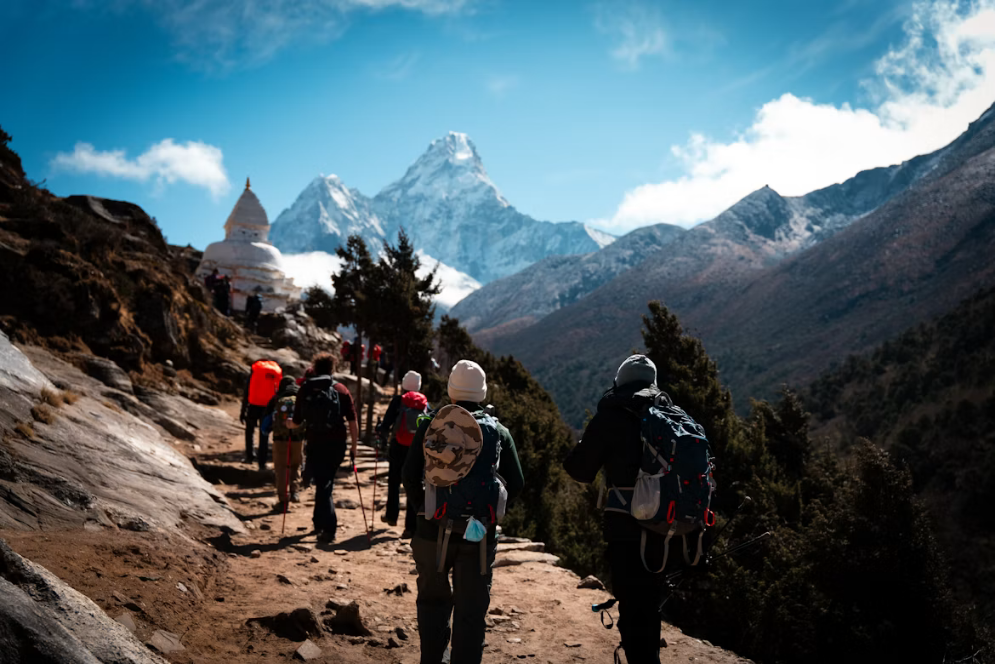
Nepal changes dramatically through the year. October can bring crisp Himalayan views and busy trekking trails. April can mean warm days, floweri...
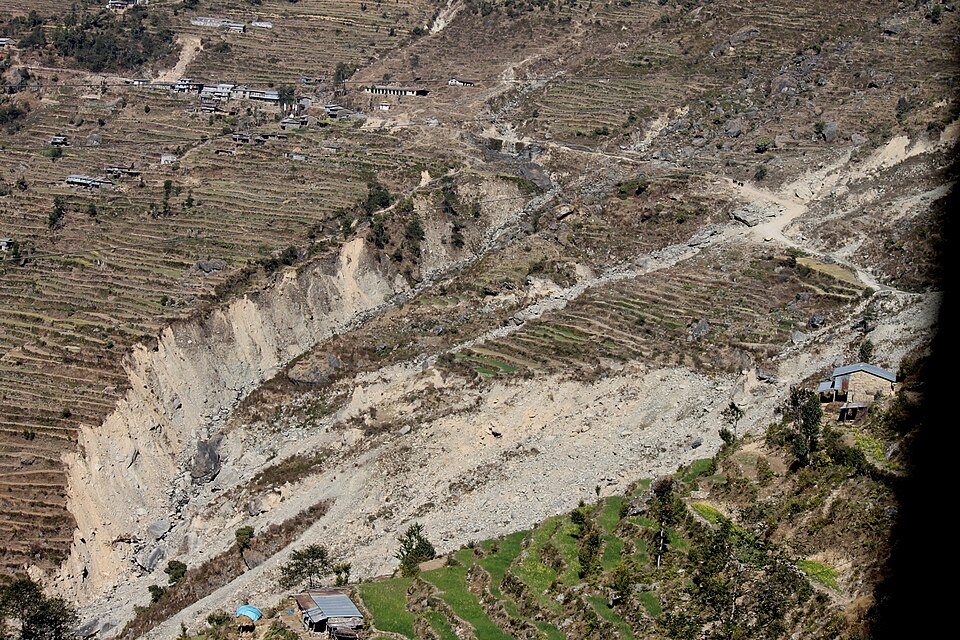
On 26 August 2026, a devastating flood swept through the Bho...